

FIFA is facing growing scrutiny over its ticketing practices for the 2026 World Cup after legal authorities in the United States launched an investigation into how tickets have been sold to fans.
The attorneys general of New York and New Jersey have formally demanded answers from FIFA following allegations that supporters may have been:
- Misled about ticket availability
- Charged inflated prices
- Confused by ticket categories
- Affected by artificial scarcity during sales phases
The investigation will focus on whether FIFA’s ticket release strategies and public communication unfairly influenced ticket pricing and accessibility for supporters hoping to attend football’s biggest tournament.
⚠️ Concerns Over Pricing and Transparency
According to reports, officials are examining whether FIFA’s ticketing process created confusion around:
- Seat locations
- Ticket categories
- Dynamic pricing structures
Some supporters claim they were encouraged to purchase expensive tickets after being told limited options remained available, only for additional ticket categories to appear later.
Investigators are also reviewing claims that ticket prices increased significantly throughout different sales phases depending on demand.
Reports suggest that prices for many matches rose sharply as availability changed, increasing frustration among fans already dealing with:
- Travel expenses
- Accommodation costs
- Transportation fees
For many supporters, attending a World Cup represents:
👉 A once-in-a-lifetime experience.
🌍 The Scale of the 2026 World Cup
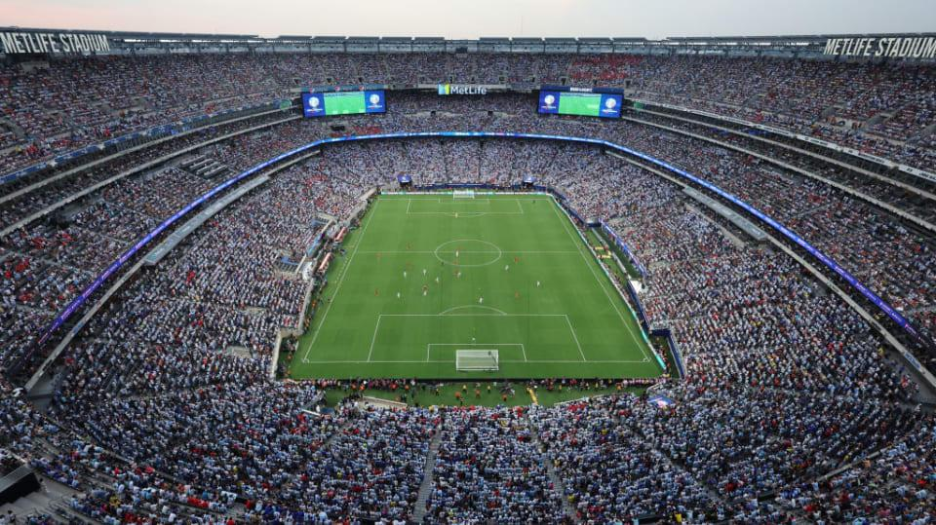
The 2026 FIFA World Cup will be the largest in football history.
Hosted across:
- The United States
- Canada
- Mexico
the tournament will feature:
- 48 national teams
- 104 matches
- Millions of international supporters
Demand for tickets is expected to reach unprecedented levels, especially for high-profile fixtures such as:
- England’s group-stage matches
- Knockout rounds
- The World Cup final
One of the key venues under discussion is the MetLife Stadium in New Jersey, which is scheduled to host the final on July 19.
🧠 Why Dynamic Pricing Is Controversial

Modern ticketing systems increasingly use:
👉 Dynamic pricing.
This means ticket costs can rise depending on:
- Demand
- Match popularity
- Availability
- Purchasing activity
Supporters argue that this approach often benefits organizations financially while making access harder for ordinary fans.
Critics believe:
- Fans feel pressured to buy quickly
- Scarcity can appear manipulated
- Prices become unpredictable
The investigation will reportedly examine whether FIFA’s sales structure and public statements contributed to unnecessary pricing inflation.
⚽ Fans Demand Fairer Access

New York Attorney General Letitia James stated that supporters deserve:
- Fair access
- Transparent pricing
- Confidence in the ticketing process
Meanwhile, New Jersey Attorney General Jennifer Davenport criticized what she described as:
👉 “Confusion, fake scarcity, and impossibly high prices.”
Authorities are now encouraging affected consumers to submit complaints regarding:
- Ticket purchases
- Seat allocation concerns
- Pricing discrepancies
The growing backlash highlights how important fan trust has become in modern football.
💰 Football’s Commercial Challenge

Modern football is now a global business worth billions.
Major tournaments generate enormous revenue through:
- Broadcasting rights
- Sponsorship deals
- Hospitality packages
- Merchandise
- Ticket sales
But as football becomes more commercialized, governing bodies face increasing pressure to protect the fan experience.
Supporters argue that:
👉 Stadium atmosphere is created by fans, not pricing algorithms.
Balancing commercial growth with accessibility remains one of football’s biggest modern challenges.
⚡ Final Thought

The 2026 FIFA World Cup promises to become one of the most historic sporting events ever staged.
But alongside the excitement, growing concerns around:
- Ticket affordability
- Pricing transparency
- Fan accessibility
are beginning to shape public conversation around the tournament.
As investigations continue, many supporters believe football’s biggest competition must remain connected to:
👉 The fans who give the World Cup its passion, identity, and atmosphere.
Because no matter how large football becomes—
The game still belongs to the supporters.